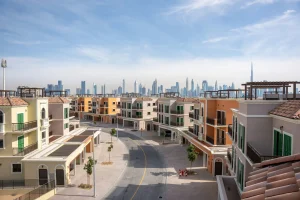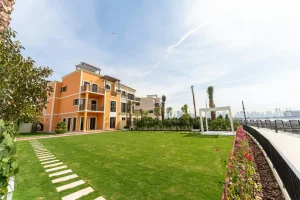

Owning a villa in Dubai represents far more than acquiring luxury real estate-it signifies investment in a sophisticated asset comprising complex mechanical, electrical, and plumbing systems that together create the comfortable, modern lifestyle residents expect. Behind the elegant facades, spacious interiors, and premium finishes lies an intricate network of critical infrastructure that requires strategic management to maintain reliability, efficiency, and value. In Dubai’s extreme climate, where air conditioning operates nearly year-round and where system failures can transform comfortable homes into uninhabitable spaces within hours, the approach to asset management directly determines both quality of life and long-term investment returns.
Traditional reactive maintenance, where problems are addressed only after failures occur, no longer meets the demands of modern villa ownership. Today’s forward-thinking property owners are embracing comprehensive asset management strategies that combine scheduled periodic maintenance with cutting-edge predictive technologies to anticipate and prevent failures before they disrupt daily life. This evolution from reactive to proactive to predictive maintenance represents not just a technical upgrade but a fundamental shift in how villa owners protect their investments while ensuring uninterrupted comfort and optimal system performance.
Understanding Critical Assets in Dubai Villas
Every Dubai villa contains several categories of critical assets-systems whose failure significantly impacts comfort, safety, property value, and daily functionality. Recognizing these assets and understanding their interconnected nature provides the foundation for effective management strategies.
HVAC Systems: The Lifeline of Dubai Living
In Dubai’s climate, air conditioning transcends the category of mere amenity to become essential infrastructure supporting basic habitability. HVAC systems in Dubai villas work harder and longer than their counterparts in temperate climates, often operating 10-12 months annually and running continuously during summer months when outdoor temperatures exceed 45°C. This extreme duty cycle places enormous stress on components, making system reliability absolutely critical.
Modern villa HVAC systems represent substantial investments, typically ranging from AED 80,000 to AED 200,000 or more depending on villa size and system sophistication. These systems comprise multiple components including compressors, evaporator coils, condensers, air handlers, ductwork, thermostats, and control systems-each requiring specific maintenance attention and each capable of causing system failure if neglected. The complexity and value of these assets demand management approaches that go beyond simple filter changes to encompass comprehensive monitoring and predictive care.
Plumbing Infrastructure: Hidden But Essential
While less visible than HVAC systems, plumbing infrastructure represents another critical asset category requiring strategic management. Dubai villas typically feature extensive plumbing networks including supply lines, drainage systems, water heaters, pressure pumps, storage tanks, irrigation systems, and swimming pool equipment. The total investment in these systems often exceeds AED 50,000-100,000, and failures can cause damage costing multiples of the original installation expense.
Dubai’s water characteristics create specific challenges for plumbing systems. The combination of desalinated water with high mineral content, elevated temperatures, and pressure fluctuations accelerates corrosion, scale buildup, and component degradation. Additionally, the region’s occasional heavy rainfall requires properly functioning drainage systems to prevent flooding and water damage. These factors make plumbing systems particularly vulnerable to failures that strategic asset management can prevent.
Electrical Systems: The Foundation of Modern Living
Contemporary Dubai villas draw substantial electrical loads supporting multiple air conditioning units, water heaters, kitchen appliances, home entertainment systems, lighting, pool equipment, and increasingly, electric vehicle charging stations. Electrical infrastructure must reliably deliver this power while maintaining safety standards that prevent fire hazards and equipment damage.
Many villas feature electrical systems representing AED 60,000-120,000 investments in panels, wiring, circuit protection, and distribution equipment. As homes add smart technology, automation, and renewable energy systems, electrical infrastructure becomes increasingly complex and valuable. Electrical system failures pose not just inconvenience but serious safety risks, making proactive management particularly important for this asset category.
The Strategic Foundation: Periodic Maintenance
Periodic maintenance establishes the foundational layer of effective asset management through scheduled inspections, servicing, and component replacement at defined intervals. This approach prevents the gradual degradation that leads to failures while ensuring systems operate at designed efficiency levels.
Comprehensive HVAC Maintenance Protocols
Effective periodic HVAC maintenance addresses all system components through quarterly or semi-annual service visits. Filter inspection and replacement occurs most frequently, typically every 30-60 days in Dubai’s dusty environment. Clean filters ensure proper airflow, efficient operation, and good indoor air quality, while clogged filters force systems to work harder, increasing energy consumption and accelerating wear.
Evaporator coil cleaning prevents the biological growth and dirt accumulation that reduces heat transfer efficiency and can lead to frozen coils or system failures. Condensate drain line cleaning eliminates blockages that cause water damage and biological contamination. Refrigerant level checks and adjustments maintain cooling capacity while preventing compressor damage from low refrigerant conditions.
Thermostat calibration ensures accurate temperature control and prevents short cycling that wastes energy and stresses components. Electrical connection inspections identify loose terminals or degraded wiring that could cause failures or fire hazards. Compressor performance testing and belt tension adjustment for belt-driven systems round out comprehensive HVAC maintenance that extends equipment life while maintaining efficiency.
Systematic Plumbing Maintenance Programs
Periodic plumbing maintenance prevents the leaks, blockages, and failures that cause expensive damage and disruption. Water pressure testing throughout the system identifies developing problems before they cause pipe failures or fixture damage. Leak detection surveys using thermal imaging or acoustic equipment find hidden leaks that waste water and cause structural damage long before they become visible.
Water heater maintenance includes sediment flushing, heating element inspection, anode rod replacement, and thermostat testing to ensure efficient operation and prevent premature failure. Pressure pump inspection and servicing maintains proper water pressure throughout the villa while preventing pump failures that leave the property without water. Drainage system cleaning prevents blockages that cause backups and flooding.
For villas with swimming pools, periodic maintenance includes pump and filter servicing, water chemistry testing and adjustment, surface cleaning, and equipment inspection. Pool systems represent significant investments requiring consistent care to prevent expensive repairs and ensure safe, enjoyable operation.
Comprehensive Electrical System Maintenance
Electrical maintenance begins with load analysis that ensures circuits aren’t overloaded and that electrical panel capacity remains adequate for the home’s demands. Circuit breaker testing verifies that protective devices will function properly during fault conditions, preventing fire hazards and equipment damage. Wiring inspection identifies degraded insulation, loose connections, or damaged conductors requiring repair or replacement.
Ground fault protection testing ensures safety devices work correctly, particularly important in wet areas like kitchens, bathrooms, and pool equipment rooms. Surge protection evaluation confirms that sensitive electronics and appliances receive adequate protection from voltage spikes. Lighting system inspection identifies failed fixtures, outdated technology, and opportunities for energy-efficient LED upgrades that reduce consumption while improving illumination quality.
Establishing Effective Maintenance Schedules
Creating appropriate periodic maintenance schedules requires balancing system needs with operational disruption and cost considerations. Most villa HVAC systems benefit from quarterly maintenance, with more frequent filter changes between full service visits. Plumbing systems typically require semi-annual comprehensive inspections plus more frequent attention to high-wear components like pool equipment and water heaters. Electrical systems generally need annual comprehensive inspections unless changes to loads or additions of major equipment warrant more frequent attention.
Documentation proves critical for effective periodic maintenance programs. Detailed service records tracking work performed, components replaced, system performance metrics, and technician observations create historical data revealing developing trends and supporting informed decisions about repairs versus replacements. Quality maintenance providers supply comprehensive reports after each visit, building the documentation that demonstrates care when selling or renting the property.
The Next Evolution: Predictive Maintenance Technologies
While periodic maintenance provides substantial benefits, predictive maintenance represents the cutting edge of asset management, using technology to anticipate failures before they occur. This approach transforms maintenance from a scheduled activity to a condition-based process triggered by actual asset status rather than arbitrary time intervals.
How Predictive Maintenance Works
Predictive maintenance relies on continuous monitoring of asset conditions using various sensor technologies. Temperature sensors track operating temperatures for motors, compressors, electrical panels, and bearings, with abnormal readings indicating developing problems. Vibration sensors detect imbalances, bearing wear, or mechanical problems in rotating equipment like HVAC compressors and water pumps. Pressure sensors monitor refrigerant pressures in air conditioning systems and water pressure in plumbing networks, alerting to leaks or blockages.
Current draw monitoring for electrical equipment identifies motors working harder than normal due to mechanical problems or electrical issues. Smart thermostats track HVAC cycling patterns, efficiency metrics, and runtime, revealing system degradation before complete failures. Water flow meters detect abnormal consumption patterns indicating leaks or malfunctioning fixtures.
Advanced systems aggregate this sensor data in cloud-based platforms where artificial intelligence algorithms analyze patterns, compare against normal baselines, and predict when failures are likely to occur. These systems can alert homeowners and maintenance providers days or weeks before predicted failures, allowing scheduled repairs during convenient times rather than emergency responses during system outages.
Practical Applications in Dubai Villas
Modern smart home systems increasingly incorporate predictive maintenance capabilities as standard features. Smart HVAC thermostats monitor system performance, alerting to efficiency declines, unusual cycling patterns, or component failures. These devices track energy consumption over time, allowing identification of gradual efficiency losses indicating needed maintenance.
Water leak detection systems using flow sensors and pressure monitors can identify even small leaks within minutes of occurrence, preventing the thousands of dirhams in damage that undetected leaks cause. These systems prove particularly valuable for villa owners who travel frequently, providing remote monitoring and immediate alerts to problems requiring attention.
Electrical monitoring systems track power consumption by circuit or device, identifying equipment drawing excessive current due to developing failures. These systems also provide detailed energy usage data supporting optimization decisions and highlighting opportunities for efficiency improvements.
Smart pool monitoring systems track water chemistry, equipment runtime, and operating parameters, alerting to problems requiring attention and automating much of the routine maintenance burden. For villas with pools representing AED 100,000+ investments, these systems protect assets while reducing manual monitoring requirements.
The ROI of Predictive Maintenance
Implementing predictive maintenance technologies requires upfront investment typically ranging from AED 5,000-25,000 depending on system sophistication and villa size. However, the return on this investment manifests through multiple channels that typically recover costs within 2-3 years.
Emergency repair avoidance provides the most immediate returns. A single major HVAC failure during peak summer requiring emergency service can cost AED 5,000-15,000 or more, while the same repair scheduled proactively might cost AED 2,000-5,000. Water damage from undetected leaks can easily reach AED 30,000-100,000 for remediation, making leak detection systems extraordinarily cost-effective insurance.
Energy efficiency optimization through predictive maintenance typically reduces utility consumption 10-20% by ensuring systems operate at peak efficiency. For villas with monthly utility costs of AED 2,000-4,000, this represents annual savings of AED 2,400-9,600 that continue indefinitely.
Extended equipment life from condition-based maintenance rather than run-to-failure operation can add 3-5 years to HVAC system lifespan, delaying replacement costs of AED 80,000-200,000. For a villa with AED 300,000 in total critical asset value, extending useful life 25% through predictive maintenance provides AED 75,000 in avoided replacement costs.
Integrating Periodic and Predictive Maintenance
The most effective asset management strategies combine periodic maintenance for routine care with predictive technologies for condition monitoring and failure prevention. This integrated approach provides comprehensive coverage addressing both scheduled needs and emerging problems.
Periodic maintenance continues handling routine tasks like filter replacements, cleaning, adjustments, and inspections that don’t require continuous monitoring. Predictive systems monitor asset conditions between scheduled services, alerting to developing problems requiring attention. When predictive systems detect issues, periodic maintenance schedules can be adjusted to address problems proactively rather than waiting for the next scheduled service.
Documentation from both programs combines to create comprehensive asset histories supporting informed decisions. Predictive system data showing gradual efficiency declines helps determine optimal timing for system replacements, while periodic maintenance records demonstrate consistent care that preserves warranty coverage and property value.
Selecting Asset Management Service Providers
Implementing effective asset management requires partnering with service providers possessing both traditional maintenance expertise and modern technology capabilities. Look for companies offering comprehensive service packages covering all critical asset categories rather than separate contractors for HVAC, plumbing, and electrical systems. Integrated providers coordinate better, share information more effectively, and typically deliver better value.
Evaluate providers’ technology capabilities, including their use of predictive monitoring tools, digital service documentation, and customer portals providing real-time asset status visibility. Companies offering IoT sensor integration, mobile apps for monitoring and service requests, and comprehensive reporting demonstrate the technical sophistication needed for modern asset management.
Verify certifications, licensing, and insurance appropriate for Dubai’s requirements. Look for service agreements clearly specifying included tasks, visit frequencies, emergency response protocols, and pricing for repairs beyond routine maintenance. Quality providers offer transparency rather than vague terms that lead to unexpected costs.
Conclusion: Asset Management as Investment Protection
For Dubai villa owners, critical asset management transcends routine maintenance to become strategic investment protection that preserves property value while ensuring reliable, efficient operation of essential systems. The combination of structured periodic maintenance and advanced predictive technologies creates comprehensive coverage preventing the failures, inefficiencies, and emergency expenses that characterize reactive approaches.
In Dubai’s demanding climate and competitive real estate market, villas with documented professional asset management command premium values, attract quality tenants, and deliver superior ownership experiences. The investment in comprehensive maintenance programs returns multiples of its cost through avoided emergencies, extended equipment life, reduced utility consumption, and preserved property value.
Whether you occupy your villa as a primary residence or hold it as an investment property, embracing modern asset management strategies ensures your property delivers the comfort, reliability, and financial returns that make Dubai villa ownership rewarding. In an environment where system failures can quickly escalate from minor inconvenience to major crisis, proactive asset management isn’t merely good practice-it’s essential stewardship of valuable property requiring professional attention and modern technology to maintain its worth and functionality.